carpal tunnel stretches pdf

Understanding Carpal Tunnel Syndrome
Carpal Tunnel Syndrome (CTS) impacts millions, causing discomfort and hindering daily tasks; understanding its origins and recognizing symptoms are crucial for effective management and relief.
What is Carpal Tunnel Syndrome?
Carpal Tunnel Syndrome (CTS) arises from compression of the median nerve within the carpal tunnel of the wrist. This narrow passageway, formed by bones and ligaments, houses tendons and the crucial median nerve, which controls sensation to the thumb and first three fingers, and powers some hand muscles.
When inflammation or swelling occurs – often due to repetitive hand motions, anatomical factors, or underlying health conditions – it constricts the nerve, leading to characteristic symptoms. These include numbness, tingling, burning sensations, and weakness in the hand and fingers. Symptoms frequently worsen at night, disrupting sleep, and can significantly impact a person’s ability to perform everyday activities like typing, gripping, or even holding objects.

Understanding that CTS isn’t simply a hand problem, but a nerve compression issue, is vital for appropriate management. Early recognition and intervention, including exploring options like targeted stretches, can help alleviate discomfort and prevent long-term complications.
Causes and Risk Factors
Numerous factors contribute to the development of Carpal Tunnel Syndrome (CTS). Repetitive hand motions, particularly those involving forceful gripping or flexing, are a primary cause, common in jobs like assembly line work or frequent computer use. Anatomical variations, such as a smaller carpal tunnel, can predispose individuals to nerve compression.
Certain medical conditions also elevate risk, including rheumatoid arthritis, diabetes, hypothyroidism, and obesity. These conditions often cause inflammation and swelling, exacerbating nerve compression. Pregnancy is another significant risk factor, due to fluid retention. Workplace factors, like inadequate workstation ergonomics – improper keyboard height or lack of wrist support – also play a role.
Ultimately, CTS often arises from a combination of these factors. Identifying and addressing modifiable risk factors, such as improving ergonomics and managing underlying health conditions, is crucial for prevention and management alongside targeted stretches.
Symptoms of Carpal Tunnel Syndrome
The hallmark symptoms of Carpal Tunnel Syndrome (CTS) typically begin gradually, often manifesting as numbness, tingling, and pain in the thumb, index, middle, and ring fingers. These sensations may radiate up the arm. Many individuals experience symptoms worsening at night, potentially disrupting sleep, as wrists are often flexed during sleep.
Weakness in the hand and difficulty with fine motor skills, like buttoning clothes or gripping objects, are common as the condition progresses. Some may describe a sensation of swelling, even if no visible swelling is present. Dropping objects frequently can also be a sign.
The specific symptoms and their severity vary significantly between individuals. Early recognition of these symptoms is vital, as prompt intervention, including targeted stretches, can help manage discomfort and prevent long-term nerve damage.

Stretches for Carpal Tunnel Relief ⸺ A PDF Guide Focus
PDF guides consolidate effective carpal tunnel stretches, offering accessible, portable relief from symptoms like numbness and pain, promoting hand and wrist wellness.
Why PDF Guides are Useful

PDF guides dedicated to carpal tunnel stretches offer a multitude of benefits for individuals seeking relief. Their digital format allows for convenient access on various devices – smartphones, tablets, and computers – meaning stretches can be performed virtually anywhere, anytime; This portability is especially valuable for those experiencing symptoms during work or travel.
Furthermore, PDFs often present stretches with clear, concise instructions and accompanying illustrations, ensuring proper form and minimizing the risk of injury. Many guides categorize stretches by severity or focus area, allowing users to tailor their routines to specific needs. The offline accessibility of PDFs is another significant advantage, eliminating reliance on internet connectivity during exercise.
Consolidated information within a single document streamlines the learning process, and the ability to print PDFs provides a tangible resource for quick reference. Ultimately, these guides empower individuals to proactively manage their carpal tunnel symptoms and improve their hand and wrist health.
Finding Reliable Carpal Tunnel Stretch PDFs
Locating trustworthy carpal tunnel stretch PDFs requires a discerning approach. Prioritize sources affiliated with reputable medical institutions, such as hospitals, physical therapy clinics, or recognized arthritis foundations. Websites ending in “.org” or “.edu” generally indicate non-profit or educational origins, enhancing credibility.
Exercise caution with PDFs from unknown websites or those promoting unverified claims. Look for guides created or reviewed by qualified healthcare professionals – physical therapists or occupational therapists are ideal. A reliable PDF will clearly state the author’s credentials and provide disclaimers regarding medical advice.
Cross-reference information with other trusted sources to confirm accuracy. Check for recent publication dates, as medical guidelines evolve. Beware of PDFs containing excessive advertisements or requests for personal information. Utilizing search terms like “carpal tunnel stretches PDF [hospital name]” can refine your search and yield more dependable results.

Effective Carpal Tunnel Stretches
Targeted stretches, often detailed in downloadable PDFs, can alleviate pressure on the median nerve, reducing pain and improving hand function for those with CTS.
Wrist Flexor Stretch
The wrist flexor stretch is a foundational exercise frequently illustrated in carpal tunnel stretch PDFs, designed to counteract the repetitive motions that often exacerbate CTS symptoms. To perform this stretch, extend your affected arm forward, palm facing up. Gently bend your wrist downwards, pointing your fingers towards the floor.
With your other hand, apply gentle pressure to the back of your hand, increasing the stretch. You should feel a comfortable pull along the inner forearm. Hold this position for approximately 15-30 seconds, ensuring you maintain a relaxed grip and avoid overextending.
Repeat this stretch several times throughout the day, particularly during breaks from activities that aggravate your symptoms. Many PDF guides emphasize the importance of slow, controlled movements and avoiding any sharp pain. Consistent practice can improve flexibility and reduce compression on the median nerve, offering significant relief. Remember to consult a healthcare professional before starting any new exercise regimen.
Wrist Extensor Stretch
Frequently detailed in carpal tunnel stretch PDFs, the wrist extensor stretch targets the muscles on the outer side of your forearm, balancing the wrist flexor muscles and alleviating tension. Begin by extending your affected arm forward, with your palm facing down. Gently bend your wrist downwards, pointing your fingers towards the floor.
Use your other hand to gently pull your fingers towards your body, increasing the stretch along the top of your forearm. A mild to moderate stretching sensation should be felt, but avoid any sharp or intense pain. Hold this position for 15-30 seconds, breathing deeply and maintaining a relaxed posture.
Repeat the stretch several times throughout the day, especially if your work involves repetitive wrist extension. PDF guides often recommend combining this stretch with the wrist flexor stretch for a comprehensive approach. Consistent performance can help reduce nerve compression and improve hand function. Always prioritize proper form and listen to your body.
Thumb Stretch
Many carpal tunnel stretch PDFs emphasize the importance of thumb stretches, as thumb muscles contribute to median nerve compression. Begin by extending your arm forward, palm facing up. Gently bend your thumb across your palm, towards your little finger. Use your other hand to gently pull your thumb further across, deepening the stretch.
You should feel a stretch along the base of your thumb and into the palm of your hand. Hold this position for 15-30 seconds, maintaining a relaxed grip and breathing deeply. Repeat the stretch several times, focusing on a gentle, consistent pull.
Variations include stretching the thumb away from the palm, and making circular motions with the thumb. These exercises, often illustrated in PDF guides, improve thumb flexibility and reduce pressure on the median nerve. Consistent practice, alongside other stretches, can significantly contribute to carpal tunnel relief and improved hand function.
Finger Stretch
Carpal tunnel stretch PDFs frequently include finger stretches to enhance flexibility and alleviate nerve compression. Start by extending your arm straight out, palm facing upwards. Gently spread your fingers as wide as comfortably possible, holding the position for several seconds. This simple action targets the intrinsic muscles of the hand.
Another effective technique involves bending each finger individually towards the palm, then straightening it again. Repeat this process for each finger, focusing on a controlled and deliberate movement. Many guides suggest performing these stretches slowly and mindfully, avoiding any sudden or jerky motions.
These exercises, often visually demonstrated in downloadable PDFs, help to improve circulation and reduce stiffness in the fingers. Consistent practice, combined with other carpal tunnel stretches, can contribute to pain reduction and improved hand functionality, promoting overall well-being.

Advanced Stretching Techniques
PDF guides often detail nerve gliding and prayer stretches for CTS, building upon basic exercises to enhance nerve mobility and reduce compression symptoms.
Nerve Gliding Exercises
Nerve gliding exercises, frequently illustrated in carpal tunnel stretch PDFs, are designed to gently move the median nerve through the carpal tunnel. These aren’t stretches in the traditional sense, but rather controlled movements that aim to improve the nerve’s ability to slide and glide within its surrounding tissues.
A typical exercise involves a sequence of hand and wrist positions: starting with a straight wrist, then bending the wrist down, extending the fingers, and finally bending the wrist up. PDF guides emphasize performing these movements slowly and smoothly, stopping if any pain arises.
The goal isn’t to force the nerve, but to encourage its natural movement, reducing friction and alleviating compression. Consistent practice, as demonstrated in detailed PDF instructions, can help restore nerve function and diminish symptoms like numbness and tingling. These exercises are often recommended as a complementary therapy alongside other stretches and ergonomic adjustments.
Prayer Stretch
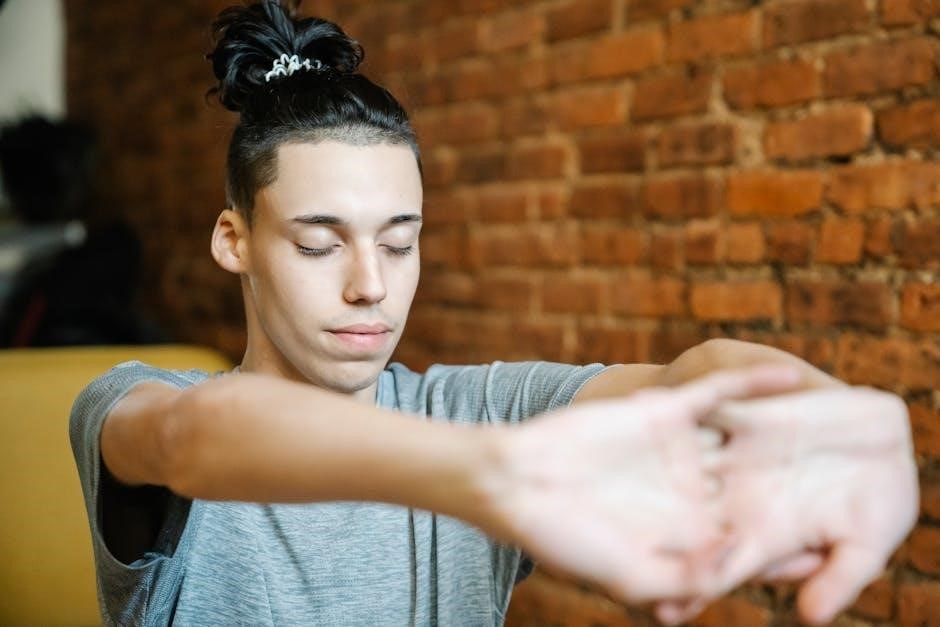
The “Prayer Stretch,” frequently detailed in carpal tunnel stretch PDFs, is a gentle yet effective exercise targeting the wrist flexors and median nerve. It mimics the praying position – palms pressed together in front of the chest, fingers pointing upwards. PDF guides often illustrate variations to adjust the intensity.
To perform the stretch, slowly lower your hands towards your waist, keeping your palms pressed together, until you feel a stretch in your forearms and wrists. It’s crucial to avoid forcing the stretch; a mild to moderate tension is sufficient.
Many PDFs recommend holding the stretch for 15-30 seconds, repeating it several times throughout the day. This exercise helps to increase flexibility in the wrist and forearm muscles, reducing pressure on the median nerve. Consistent practice, guided by PDF instructions, can contribute to long-term relief from carpal tunnel symptoms.
Ergonomics and Prevention
Proactive workstation adjustments, regular breaks, and incorporating stretches – often detailed in carpal tunnel PDFs – are vital for preventing symptoms and maintaining hand health.
Workstation Setup for Carpal Tunnel Prevention
Optimizing your workspace is paramount in preventing carpal tunnel syndrome, and many helpful PDFs detail ergonomic best practices. Ensure your chair supports good posture, with your feet flat on the floor or a footrest. Your keyboard should be positioned so your wrists are straight, not bent upwards or downwards, and elbows are at a 90-degree angle.
Monitor placement is also crucial; the top of the screen should be at or slightly below eye level to avoid neck strain, which can contribute to upper body tension impacting wrists. Consider a wrist rest for keyboard use, providing support and maintaining a neutral wrist position.
Mouse placement should be close to the body, minimizing reaching. Vertical mice can also reduce wrist strain. Regularly review carpal tunnel stretch PDFs to incorporate preventative exercises throughout the workday, reinforcing proper posture and hand health. A well-designed workstation, combined with proactive stretching, significantly reduces risk.
Importance of Regular Breaks
Consistent breaks are vital when combating carpal tunnel syndrome, and many carpal tunnel stretch PDFs emphasize this point. Prolonged repetitive motions, common in many jobs, exacerbate symptoms. Implement the 20-20-20 rule: every 20 minutes, look at something 20 feet away for 20 seconds to reduce eye strain and encourage a brief pause.
More importantly, schedule micro-breaks every hour to perform simple stretches, as illustrated in downloadable PDF guides. These breaks allow muscles to recover and prevent nerve compression. Stand up, walk around, and gently shake your hands to improve circulation.
Ignoring the need for breaks leads to increased inflammation and discomfort. Utilizing carpal tunnel stretch PDFs as a reminder to prioritize these pauses is a proactive step towards long-term wrist health and preventing the progression of symptoms. Prioritize self-care and integrate breaks into your routine.

When to Seek Medical Attention
If stretches from carpal tunnel PDFs don’t alleviate persistent numbness, weakness, or pain, consult a doctor for diagnosis and explore further treatment options.
Diagnosis of Carpal Tunnel Syndrome
A proper diagnosis of Carpal Tunnel Syndrome typically begins with a thorough medical history and physical examination, focusing on your symptoms and activities. Doctors will inquire about the nature of your pain – whether it radiates, is constant, or occurs during specific movements. They’ll assess your hand and wrist for tenderness, swelling, and muscle weakness.
Several clinical tests are commonly employed. The Tinel’s sign involves tapping over the median nerve at the wrist to check for tingling sensations. The Phalen’s test requires holding your wrists flexed for a minute, which can reproduce symptoms if carpal tunnel syndrome is present.
More definitive diagnosis often involves nerve conduction studies (NCS) and electromyography (EMG). NCS measure the speed at which electrical signals travel through the median nerve, identifying any slowing indicative of compression. EMG assesses the electrical activity of muscles controlled by the median nerve, detecting muscle damage. While carpal tunnel stretches PDFs can offer relief, these tests are crucial to confirm the diagnosis and rule out other conditions before initiating a long-term treatment plan.
Treatment Options Beyond Stretches
While carpal tunnel stretches, often found in helpful PDFs, are a valuable first step, numerous other treatment options exist for more severe or persistent Carpal Tunnel Syndrome. Splinting, particularly at night, immobilizes the wrist and reduces pressure on the median nerve, providing significant relief. Over-the-counter pain relievers like ibuprofen or naproxen can manage pain and inflammation.
For those unresponsive to conservative treatments, doctors may recommend corticosteroid injections directly into the carpal tunnel. These injections reduce inflammation and provide temporary symptom relief. However, repeated injections aren’t generally advised due to potential side effects.
In more severe cases, surgery may be necessary to release the pressure on the median nerve. Carpal tunnel release surgery involves cutting the transverse carpal ligament, widening the tunnel. Post-operative recovery involves splinting and rehabilitation exercises. Remember, a comprehensive approach, guided by a medical professional, is key to managing CTS effectively, supplementing the benefits of stretches detailed in carpal tunnel stretches PDFs.

Resources for Carpal Tunnel Information
Numerous online resources and downloadable PDFs offer detailed carpal tunnel stretches and comprehensive information, empowering individuals to proactively manage their symptoms effectively.
Recommended PDF Downloads
Several expertly crafted PDF guides provide a structured approach to carpal tunnel relief through targeted stretches. Look for resources from reputable sources like the American Academy of Orthopaedic Surgeons (AAOS) or leading physical therapy clinics. These PDFs often include detailed illustrations and step-by-step instructions, ensuring proper form and maximizing effectiveness.
Prioritize guides that cover a variety of stretches – wrist flexor, extensor, thumb, and finger stretches – alongside nerve gliding exercises. A comprehensive PDF will also address ergonomic principles for workstation setup and emphasize the importance of regular breaks to prevent symptom aggravation.
When selecting a PDF, verify its author’s credentials and publication date to ensure the information is current and evidence-based. Beware of generic guides lacking specific instructions or those promoting unproven remedies. Downloading from trusted medical websites or professional organizations guarantees reliable and safe guidance for managing your carpal tunnel syndrome.
Online Resources and Websites
Numerous websites offer valuable information and downloadable resources for carpal tunnel syndrome, including stretch guides. The Mayo Clinic’s website provides a comprehensive overview of CTS, symptoms, and self-care options, often linking to helpful exercise illustrations. Similarly, the National Institute of Neurological Disorders and Stroke (NINDS) offers detailed explanations and research updates.

WebMD and Healthline are also reliable sources, presenting information in an accessible format with accompanying visuals. Many physical therapy practices publish articles and videos demonstrating proper stretching techniques.
When exploring online resources, prioritize websites affiliated with medical institutions or professional organizations. Always cross-reference information and consult with a healthcare professional before starting any new exercise regimen. Be cautious of websites promoting miracle cures or lacking scientific backing. Utilize these platforms to supplement, not replace, personalized medical advice.