pedro paramo pdf

Juan Rulfo’s haunting novel, Pedro Páramo, presents a spectral journey into a desolate Mexican village, exploring themes of life, death, and remembrance․
Historical and Literary Context
Pedro Páramo emerged from a post-revolutionary Mexico grappling with social and political upheaval․ Rulfo, witnessing firsthand the poverty and violence of rural Jalisco, infused his work with a stark realism reflecting this era․ The novel, published in 1955, stands apart from earlier regionalist literature, moving beyond simple depictions of rural life․
Literary influences include William Faulkner’s exploration of Southern Gothic themes and the fragmented narratives of modernist writers․ However, Rulfo uniquely blended these with Mexican folklore and indigenous storytelling traditions․ The novel’s innovative structure and lyrical prose challenged conventional narrative forms, paving the way for the Latin American Boom of the 1960s and influencing authors like Gabriel García Márquez․
Overview of the Novel’s Themes
Pedro Páramo delves into profound themes of death, memory, and the enduring weight of the past․ The novel portrays a world haunted by the ghosts of those who suffered under Pedro Páramo’s tyrannical rule, blurring the lines between the living and the dead․ Exploration of power and corruption is central, showcasing how unchecked authority destroys individuals and communities․
Silence and the difficulty of communication also feature prominently, reflecting the isolation and unspoken traumas of Comala’s inhabitants․ The search for identity and belonging, embodied by Juan Preciado’s quest, underscores the novel’s existential concerns․ Ultimately, Pedro Páramo is a meditation on the cyclical nature of violence and the struggle for redemption in a fractured society․

Characters and Their Significance
Rulfo’s characters embody the suffering and resilience of rural Mexico, each representing a facet of Comala’s tragic history and collective memory․
Juan Preciado: The Seeker
Juan Preciado, the novel’s protagonist, embarks on a pilgrimage to Comala seeking his father, Pedro Páramo, hoping to finally understand his paternal lineage and identity․ His journey isn’t merely physical; it’s a descent into a realm of fragmented memories and ghostly echoes․
Initially driven by a desire for concrete answers, Juan gradually becomes enveloped by the pervasive atmosphere of Comala, blurring the lines between the living and the dead․ He represents the outsider, the one attempting to piece together a fractured past․ His increasing inability to distinguish reality from illusion mirrors the reader’s own experience navigating Rulfo’s complex narrative․
Ultimately, Juan’s quest for his father transforms into a search for meaning within a landscape haunted by injustice and unfulfilled desires, becoming a vessel for the collective grief of Comala․
Pedro Páramo: The Tyrant
Pedro Páramo dominates Comala, even in death, as a ruthless and powerful caudillo who controlled the town and its inhabitants through land ownership, manipulation, and violence․ He embodies the oppressive forces of post-revolutionary Mexico, exploiting the vulnerable and amassing wealth at their expense;
His character is revealed not through direct portrayal, but through the testimonies of those he wronged, creating a fragmented and unsettling portrait of a man devoid of empathy․ Páramo’s power stemmed from his ability to control resources and enforce his will, leaving a legacy of suffering and resentment․
He represents a corrupting influence, a symbol of unchecked authority and the enduring consequences of exploitation, haunting Comala long after his demise․
Susana San Juan: The Lost Love
Susana San Juan represents a tragic figure, the object of Pedro Páramo’s obsessive desire and a symbol of lost innocence within the decaying world of Comala․ Her beauty and vitality initially attract Páramo, but he ultimately destroys her spirit through possessiveness and control․
Susana’s story is pieced together through fragmented memories and whispers, revealing a woman trapped and ultimately defeated by Páramo’s power․ She embodies the suffering of women under patriarchal dominance and the devastating consequences of unchecked male desire․
Her death, and the circumstances surrounding it, are central to the novel’s haunting atmosphere, representing a profound loss and the enduring pain inflicted by Páramo’s tyranny․
Dolores: The Suffering Mother
Dolores embodies the profound suffering endured by women in Comala, a direct consequence of Pedro Páramo’s ruthless actions․ As the mother of Jesús Nazarín, she represents maternal grief and the devastating impact of violence on families․
Her existence is marked by loss and a quiet desperation, perpetually mourning her son and bearing the weight of Comala’s collective pain․ Dolores’s character highlights the societal neglect and the silencing of female voices within a patriarchal structure․
She is a spectral presence, a haunting reminder of the human cost of Páramo’s ambition and the enduring legacy of sorrow that permeates the ghost town․
Setting and Atmosphere
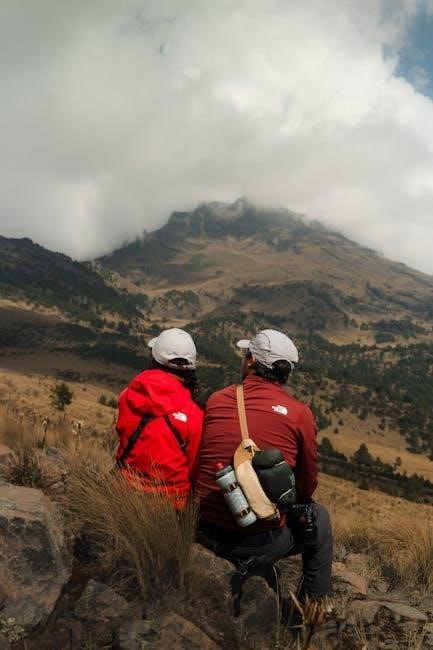
Comala’s desolate landscape and oppressive atmosphere are central, mirroring the spiritual decay and echoing the silenced voices of its tormented inhabitants․
Comala: A Ghost Town
Comala isn’t merely a location; it’s a manifestation of collective memory and regret․ The town exists in a liminal space, populated by the lingering spirits of those who suffered under Pedro Páramo’s rule․ Upon arrival, Juan Preciado finds it eerily silent, almost devoid of living inhabitants, yet teeming with echoes of the past․
The descriptions emphasize decay – crumbling buildings, overgrown vegetation, and a pervasive sense of abandonment․ This physical deterioration reflects the moral and spiritual ruin of the community․ The heat and dust contribute to a suffocating atmosphere, amplifying the feeling of being trapped within a forgotten realm․ Comala’s ghostly quality isn’t supernatural in a traditional sense, but rather a consequence of unresolved trauma and the weight of history․
The Use of Time and Memory
Rulfo masterfully manipulates time in Pedro Páramo, disrupting a linear narrative to mirror the way memory functions․ The novel shifts fluidly between past and present, often without clear markers, blurring the boundaries between life and death․ Juan Preciado’s journey is, in essence, a reconstruction of Comala’s history through fragmented recollections․
Memory isn’t presented as reliable or objective; it’s subjective, distorted by emotion, and often incomplete․ The voices of the dead contribute to this fragmented tapestry, offering conflicting perspectives on events․ This non-chronological structure forces the reader to actively participate in piecing together the story, experiencing Comala’s past as a haunting, pervasive presence․ Time becomes cyclical, trapping the inhabitants in a perpetual reenactment of their suffering․
The Impact of the Landscape
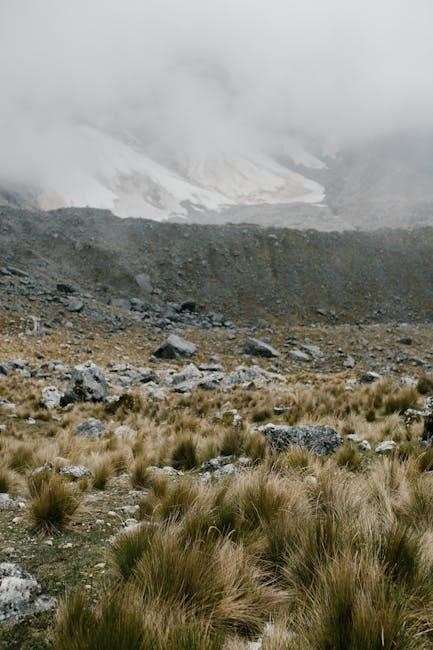
Comala’s landscape isn’t merely a backdrop; it’s a character in itself, deeply intertwined with the fate of its inhabitants․ The oppressive heat, the arid terrain, and the pervasive silence contribute to a sense of decay and hopelessness․ The land reflects the moral and spiritual barrenness of the community, mirroring the corruption and suffering within․
Rulfo’s descriptions emphasize the harshness and unforgiving nature of the environment, suggesting a connection between the land and the cyclical violence that plagues Comala․ The landscape seems to absorb and retain the pain of the past, becoming a repository of lost souls․ It’s a desolate, almost purgatorial space, where the boundaries between the physical and the spiritual are blurred, profoundly impacting the narrative’s atmosphere․
Narrative Structure and Style
Rulfo employs a non-linear, fragmented structure, blending dreamlike sequences with stark realism, creating a disorienting yet captivating reading experience․
Fragmented Narrative and Multiple Voices
Pedro Páramo deliberately eschews a traditional, chronological storyline․ Instead, Rulfo constructs a narrative mosaic, piecing together fragments of memories, rumors, and ghostly testimonies․ The novel unfolds through a shifting perspective, initially following Juan Preciado’s arrival in Comala, but quickly dissolving into the voices of the deceased․
These voices – whispers from the past – overlap and contradict each other, offering incomplete and often biased accounts of Pedro Páramo’s life and the history of Comala․ This technique mirrors the unreliable nature of memory and the difficulty of reconstructing a definitive truth․ The reader is left to assemble the puzzle, navigating a labyrinth of perspectives and silences․ This deliberate fragmentation is central to the novel’s haunting and unsettling effect․
Stream of Consciousness Technique
Rulfo masterfully employs a stream of consciousness technique, blurring the lines between past, present, and the internal thoughts of characters – both living and dead․ This isn’t a consistent, fully realized stream of consciousness in the traditional modernist sense, but rather a fragmented and spectral echo of it․
Thoughts and sensations flow freely, often without clear transitions or logical connections, mirroring the disorienting experience of Juan Preciado as he navigates the ghost town of Comala․ The narrative frequently dips into the minds of the deceased, revealing their lingering regrets, desires, and fragmented memories․ This technique contributes to the novel’s dreamlike quality and emphasizes the pervasive influence of the past on the present, creating a uniquely immersive and unsettling reading experience․
Magical Realism and its Role
Pedro Páramo is frequently cited as a foundational text of magical realism, though its approach differs from later, more flamboyant examples․ The novel doesn’t present magic as something extraordinary, but rather as an inherent part of the reality within Comala․ Ghosts converse with the living, sounds echo from the past, and the boundaries between life and death are porous and indistinct․
This blending of the mundane and the supernatural isn’t intended to be fantastical; instead, it reflects the deeply rooted beliefs and folklore of rural Mexico, and the lingering trauma of its history․ Magical realism serves to amplify the novel’s themes of memory, loss, and the enduring power of the past, grounding the story in a specific cultural and historical context․

Key Themes Explored
Rulfo’s masterpiece delves into profound themes of mortality, societal decay, the weight of history, and the desperate search for meaning in a fractured world․
Death and the Afterlife
Death isn’t an ending in Pedro Páramo, but a porous state of existence․ The novel blurs the lines between the living and the dead, with Comala populated by lingering spirits unable to find rest․ These ghosts aren’t frightening specters, but echoes of past suffering, trapped by unresolved earthly desires and injustices․
The afterlife, as depicted, isn’t a separate realm but an extension of life’s pain and incompleteness․ Characters continue to grapple with their regrets and unfulfilled longings even after death, suggesting a cyclical nature of suffering․ The inability to escape the past, even in death, is a central preoccupation․ This pervasive sense of spectral presence underscores the enduring impact of actions and the weight of memory․
Power and Corruption
Pedro Páramo embodies absolute power wielded without morality․ He controls Comala through economic dominance, land ownership, and brutal force, exploiting its inhabitants and reducing them to a state of near-slavery․ His wealth isn’t earned through honest labor, but through manipulation, theft, and the systematic oppression of others․
The novel illustrates how unchecked power corrupts absolutely, leading to a decay of societal values and a pervasive sense of injustice․ Páramo’s corruption isn’t merely personal; it infects the entire community, fostering a climate of fear, silence, and complicity․ The absence of legal or ethical constraints allows him to operate with impunity, leaving a legacy of suffering and despair that haunts Comala long after his death․
Silence and Communication
A pervasive silence dominates Pedro Páramo, reflecting the stifled voices of Comala’s oppressed inhabitants․ Communication is fractured, often occurring with the dead, or through fragmented memories and whispers․ Living characters struggle to articulate their experiences, burdened by fear and the weight of past traumas․
This silence isn’t simply an absence of speech; it’s a deliberate act of self-preservation in a world ruled by fear․ Páramo’s power relies on suppressing dissent and controlling narratives․ The novel suggests that true communication is impossible in a society built on exploitation and deceit․ Juan Preciado’s journey is, in part, an attempt to break through this silence and uncover the truth, but he finds himself increasingly immersed in a world where voices are lost and memories fade․

Symbolism and Motifs
Recurring symbols like dust, names, and the cock amplify Pedro Páramo’s themes, representing decay, identity loss, and primal urges within Comala’s landscape․
The Recurring Motif of Dust
Dust permeates Pedro Páramo, functioning as a potent symbol of decay, oblivion, and the lingering presence of the past․ It isn’t merely a physical element of the arid landscape; it embodies the remnants of lives lived and lost in Comala․ The dust clings to everything – buildings, memories, and even the voices of the dead – suggesting an inescapable connection to a painful history․
This motif visually and conceptually represents the erosion of time and the fading of identity․ Characters seem to emerge from the dust, and ultimately return to it, highlighting the cyclical nature of existence and the futility of earthly ambition․ The pervasive dust also mirrors the spiritual aridity and moral corruption that plague the town, acting as a constant reminder of Comala’s desolate state․
The Significance of Names
Names in Pedro Páramo are rarely neutral; they carry weight, echoing past actions and foreshadowing destinies․ Pedro Páramo’s name itself suggests “paramount,” reflecting his absolute power and control over Comala․ Similarly, the repetition of names – multiple individuals sharing the same moniker – blurs individual identities and emphasizes the cyclical nature of violence and suffering within the community․
Susana San Juan’s name, evoking both sanctity and loss, hints at her tragic fate and the unattainable ideal she represents․ Even the name “Comala” resonates with a sense of melancholy and abandonment․ Rulfo deliberately employs naming conventions to create a web of interconnectedness, revealing how the past continues to haunt the present and shape the lives of those who inhabit this spectral world․
The Symbolism of the Cock
The rooster, or cock, functions as a potent and recurring symbol throughout Pedro Páramo, representing vitality, virility, and, ironically, the illusion of life within the desolate Comala․ Its crowing, initially a sign of awakening, becomes a haunting reminder of a world devoid of genuine existence, a phantom echo in a ghost town․
Pedro Páramo’s association with the cock – his ownership of numerous roosters and the descriptions of their aggressive behavior – links him to primal instincts and unchecked power․ The cock’s crow also signifies a false dawn, a perpetual cycle of disappointment and unfulfilled promises․ Ultimately, the symbol embodies the barrenness of Comala and the lingering presence of a corrupted masculinity that dominates the narrative․
Critical Reception and Legacy
Initially overlooked, Pedro Páramo gained recognition as a landmark achievement, profoundly influencing the Latin American Boom and subsequent generations of writers․
Initial Reactions to the Novel
Upon its 1955 publication, Pedro Páramo received a surprisingly muted reception in Mexico․ Critics were initially perplexed by its fragmented narrative, unconventional structure, and ghostly atmosphere․ Many found the novel difficult to grasp, struggling with the shifting timelines and the multitude of voices that populate Comala․
Some dismissed it as disjointed and lacking a clear plot, while others questioned its stylistic choices․ However, a small but influential group of literary figures recognized its innovative qualities and potential․ Octavio Paz, for example, championed the work, praising its poetic language and its exploration of Mexican identity and history․
It wasn’t until the novel gained attention internationally, particularly in Europe, that its significance began to be fully appreciated, slowly building a dedicated readership and critical acclaim․
Pedro Páramo’s Influence on Latin American Literature
Pedro Páramo’s Influence on Latin American Literature
Juan Rulfo’s Pedro Páramo profoundly impacted the development of Latin American literature, particularly the “Boom” of the 1960s and 70s․ Its innovative narrative techniques – fragmented timelines, multiple perspectives, and the blending of reality and the supernatural – became hallmarks of the era․
Authors like Gabriel García Márquez, Mario Vargas Llosa, and Carlos Fuentes openly acknowledged their debt to Rulfo․ Pedro Páramo paved the way for the widespread adoption of magical realism, influencing how Latin American writers explored themes of history, politics, and identity․
The novel’s exploration of silence, memory, and the weight of the past resonated deeply, inspiring subsequent generations to grapple with similar themes in their own work, solidifying its place as a cornerstone of the region’s literary canon․